News

What type of medications can't be stopped abruptly?

What type of medications can't be stopped abruptly?

What type of medications can't be stopped abruptly?

Certain medications should not be stopped abruptly because doing so can cause serious health risks, including withdrawal symptoms or the return of the condition being treated, sometimes in a more severe form. These medications often need to be tapered down gradually under medical supervision. Some categories of medications that should not be stopped abruptly include:

  1. Antidepressants: Stopping medications like selective serotonin reuptake inhibitors (SSRIs) or tricyclic antidepressants suddenly can cause withdrawal symptoms known as antidepressant discontinuation syndrome.
  2. Benzodiazepines: These drugs, used for anxiety, seizures, and other conditions, can cause dependence, and abrupt cessation can lead to severe withdrawal symptoms, including rebound anxiety, seizures, or even benzodiazepine withdrawal syndrome. If used regularly these drugs can’t be stopped abruptly.
  3. Beta-blockers: These are used for high blood pressure, angina, and other heart-related conditions. Stopping them suddenly can cause a rebound effect, leading to chest pain, heart attack, or severe hypertension.
  4. Corticosteroids: They need to be reduced gradually to avoid adrenal insufficiency, as the body needs time to start producing natural steroids again. If used regularly, it cannot be stopped abruptly.
  5. Antiepileptic drugs: Stopping seizure medications suddenly can lead to uncontrolled seizures or status epilepticus, a medical emergency.
  6. Opioids: Discontinuing opioid pain relievers abruptly after prolonged use can cause severe withdrawal symptoms.
  7. Antipsychotic medications: Abruptly stopping can lead to a rapid return of symptoms, and in some cases, can trigger a psychotic episode.
  8. Mood stabilisers: Medications like lithium or anticonvulsants used for bipolar disorder should be tapered to avoid mood swings or a relapse of mania or depression.
  9. Diabetes medications: Stopping medications for diabetes suddenly can lead to dangerous changes in blood glucose levels.
  10. Anticoagulants: Stopping these medications, which are used to prevent blood clots, abruptly might increase the risk of thrombosis (blood clots).
  11. Antiarrhythmic drugs: These are used to treat abnormal heart rhythms and stopping them suddenly can potentially lead to a recurrence of the arrhythmia.
  12. Immunosuppressive agents: Used for preventing organ transplant rejection or treating autoimmune diseases, these drugs, if stopped suddenly, can lead to rejection or a flare-up.

This list is not exhaustive, and the discontinuation strategy will depend on the specific medication, the dosage, the length of time you've been taking it, and your individual situation. It is essential to always consult a healthcare professional before stopping any medication to determine the correct way to decrease your dose safely.


Travelling With Medications: Tips for a Hassle-Free Trip

Travelling With Medications: Tips for a Hassle-Free Trip

Travelling With Medications: Tips for a Hassle-Free Trip

You're planning a trip, but you're on medication. Don't let this dampen your wanderlust! Travelling with medications doesn't have to be a hassle. With a little preparation, you can ensure your health is taken care of while you're exploring new horizons.

Key Takeaways

  • Understand the rules and regulations of your destination and consult with a physician about potential health risks.
  • Pack enough medication for the trip's duration, plus extra, and keep medications in original, clearly-labelled containers.
  • Include a doctor's note explaining the necessity of your medications and pack a medical ID that lists your medical conditions.
  • Be aware of potential restrictions in different countries and research travel regulations of your destination and airline.

What to consider when travelling with medications

When you're planning to travel with medications, there are several key factors you'll need to consider.

It's not just about packing your meds, but also about understanding the rules and regulations of your destination.

You must also think about how to keep your medications safe and effective during your journey.

How to prepare for a hassle-free trip

Before you pack your bags for that long-awaited trip, it's crucial that you carefully plan how to travel with your medications to ensure a seamless journey.

Start by creating a list of all your medications, including their generic names, dosage, and administration instructions.

Next, consult with your physician or pharmacist about your travel plans and any potential health risks. They can provide valuable guidance on managing medication schedules across different time zones, and may suggest a medical alert bracelet in case of emergencies.

Remember to pack enough medication for your trip's duration, plus extra in case of delays. Keep medications in their original, clearly-labelled containers to avoid confusion and customs problems.

Original Packaging

When packing your medications for travel, maintaining them in their original packaging is often a wise choice. There are situations, however, when you might consider whether it's necessary to keep them in their original containers.

The benefits of doing so can greatly influence your travel experience, particularly when it comes to ease of use and security checks.

Important considerations when packing medications in original packaging

Always pack your medications in their original packaging to prevent any confusion or misunderstandings at security checkpoints. This not only helps identify your medications accurately, but it also proves their legality. Moreover, the original packaging often includes crucial information like dosage instructions, precautions, and expiration dates, ensuring you have all necessary details at your fingertips.

Remember, temperature can affect the effectiveness of some medicines. Try to pack them in a cool, dry place. Avoid leaving them in a hot car or near a window exposed to sunlight. Also, be mindful of the liquid restrictions in carry-on luggage if you're flying.

Lastly, always carry a copy of your prescriptions as an extra precaution. This way, you're prepared for a hassle-free travel experience.

When it's okay to leave medications in their original packaging

In most cases, you'll find it's perfectly fine to keep your medications in their original packaging. This is especially true if you're travelling domestically, where customs regulations are often less stringent.

The original container offers important information, such as the dosage, prescription details, and expiration date, which can be crucial in case of an emergency. Also, if you're only taking a short trip, it's easier to keep your medications as they are, reducing the risk of mix-ups.

However, if your medication comes in bulky packaging or if you're travelling internationally, you might need to consider other options. But at the very least, carrying a copy of your prescription is a good idea, just in case you’re checked at security.

Benefits of keeping medications in their original packaging

Keeping your medications in their original packaging offers numerous advantages, especially during travel.

  • Ease of Identification: Medications in their original packaging are easier to identify. It prevents any confusion that may arise if they were repackaged. It's also beneficial in case of an emergency, where health professionals can quickly identify your medication.
  • Preservation of Information: Original packaging contains vital information about the medication. This includes dosage instructions, expiration dates, and warnings which are essential for safe and effective use.
  • Compliance with Regulations: Many countries require that medications be kept in their original packaging while travelling. This is especially important when crossing international borders where customs officials may need to verify your medications.

Counter Medications

You'll find a variety of over-the-counter medications that are essential for a hassle-free trip. These are often easily portable and don't require a prescription, making them convenient travel companions.

  • Pain Relievers: Include typical over-the-counter options like:
      • Aspirin
      • Ibuprofen
      • Acetaminophen
  • Allergy Medications: Useful if you're prone to allergies. Options include:
      • Antihistamines
      • Decongestants
  • Digestive Aids: To help with any unexpected digestive issues, consider bringing:
    • Antacids
    • Laxatives
    • Anti-diarrheals

    Remember to check the travel regulations of your destination and airline, as certain rules may apply to medication, even those available over-the-counter. With these, you're better prepared for potential health hiccups during your journey, ensuring a smoother and more enjoyable trip.

    Restrictions on bringing counter medications onto a plane or other form of transportation

    Despite the convenience of over-the-counter medications for travel, it's crucial to be aware of potential restrictions on bringing these medications onto a plane or other form of transportation. Different countries have varying rules, and some mightn't permit certain drugs, even if they're commonly available in your home country. Therefore, it's best to research beforehand to avoid any complications at customs.

    Considerations for taking counter medications abroad

    Taking a considerable amount of counter medications abroad can pose its own set of challenges, so it's essential you're fully prepared. Here are some considerations:

    • Research local laws: Each country has its own rules regarding medications. Check the legality of your medications in your destination country.
    • Contact the embassy
    • Consult travel advisories

    Keep medications in original packaging: This can help avoid unnecessary attention at customs and clarify what the medication is. - Include a doctor's note - Carry a copy of your prescription

    Consider the climate: Extreme temperatures can affect your medications. - Keep them in a temperature-controlled bag - Don't leave them in a hot car

    Medical Supplies and Equipment

    When planning your trip, you should consider what types of medical supplies are necessary to accompany your medications.

    This might include items such as syringes, inhalers, and other relevant equipment.

    Preparation is key to ensure you're equipped to manage your health while away from home.

    What types of medical supplies should be packed when travelling with medication?

    So, what essential medical supplies should you pack when planning a trip with medications? You'll need to consider the specifics of your health conditions and treatments, but certain items are generally useful.

  • Medication and Supplies:
      • Prescription Medications: Ensure you have enough for your trip, plus extra in case of delays.
      • Over-the-counter Medications: Pain relievers, antacids, or allergy meds may come in handy.
  • Equipment:
      • Medical Devices: Don't forget items like blood pressure monitors, insulin pens, or nebulizers.
      • Extra Batteries: If your medical devices use batteries, pack extras.
  • Documentation:
    • Medical ID: Carry identification that lists your medical conditions.
    • Prescription Copies: In case of loss or emergency, have copies of your prescriptions.

    Remember to pack these in your carry-on to keep them accessible and safe.

    Preparing medical equipment for travel, such as syringes, inhalers, etc.

    Even though you might be an expert at managing your health conditions at home, preparing your medical equipment for travel, such as syringes and inhalers, requires additional considerations.

    It's essential to keep your equipment in a safe, easily accessible place. For syringes, ensure they're stored in a sturdy, protective case to prevent damage or accidental pricks.

    As for inhalers, keep them in a cool, dry place to avoid impact from extreme temperatures. Also, don't forget to have a clear label on all your equipment to avoid confusion.

    Carry a written prescription or a letter from your healthcare provider outlining the necessity of your equipment to facilitate smooth passage through airport security.

    Lastly, always pack extra supplies to counter unforeseen circumstances.

    Essential Medications

    It's crucial to understand which essential medications you'll need for the duration of your trip.

    This isn't just about ensuring you have enough of your current prescriptions, but also considering over-the-counter drugs that could be beneficial.

    Mapping out your medication needs can help avoid any unwanted health issues and make your trip smoother.

    Understanding what essential medicines are necessary for the duration of the trip

    When planning your trip, you'll need to determine which medications are crucial for maintaining your health during your travels. Consider these factors:

  • Chronic conditions:
      • If you have ongoing health issues such as diabetes or high blood pressure, it's vital to pack enough medication to last the entire trip.
  • Destination-specific risks:
      • Based on where you're going, you may need additional medications. For example, you'll need anti-malarial drugs if you're travelling to certain parts of Africa.
  • Unexpected situations:
    • It's wise to have a basic first-aid kit with essentials like pain relievers and antihistamines.

    Conclusion

    In conclusion, travelling with medications doesn't have to be a headache.

    • Keep them in their original packaging.
    • Manage counter medications wisely.
    • Make sure essential medications are easily accessible.

    Don't forget your medical supplies and equipment.

    With a bit of planning and organisation, you'll be on your way to a hassle-free trip. Remember, it's about managing your health while travelling, not letting it manage you.

    Safe travels!


    Things Our Pharmacists Want You to Know When Starting a New Medication

    Things Our Pharmacists Want You to Know When Starting a New Medication


    If you’re starting a new medication this article will tell you everything you need to know. Remember you’re not alone and our pharmacists want you to feel confident and secure. You can call us anytime.

    Let's arm you with the knowledge you need to better manage your health. After all, it's not just about taking pills; it's about understanding them too.

    Key Takeaways

    • Pharmacists are extensively trained healthcare professionals who provide valuable advice and insights about prescriptions.
    • Talking to your pharmacist can provide important insights and guidance, including reviewing medication guides, side effects, and interactions.
    • Different types of medications, such as prescription, over-the-counter, combination products, and herbal supplements, have unique uses and potential side effects.
    • It is important to be aware of potential side effects and interactions, and to work closely with your doctor and pharmacist to monitor and adjust your treatment plan.

    What is a Pharmacist?

    A pharmacist is a healthcare professional who's extensively trained in understanding the uses, compositions, and effects of drugs.

    We’re not just there to dispense your medication; we can provide valuable advice and insights about your prescriptions, making them a crucial part of your healthcare team.

    You can often get advice on medication that’s just as good as seeing your doctor, often without an appointment or fee. 

    Why Should You Talk to Your Pharmacist About Your Medication?

    Before starting any new medication, it's crucial to have a discussion with your pharmacist, a medical expert who can provide you with important insights and guidance.

    Pharmacists play a vital role in ensuring your medication works effectively and safely. We can review your medication guide, side effects, and interactions with other drugs or food.

    We can give advice about medication maintenance, such as the best time to take your medicine, what to do if you miss a dose, and how to store it properly.

    Plus, pharmacists can answer any questions you might've about your new medication. So, don't hesitate to talk to your pharmacist.

    It's a significant step towards understanding your treatment and achieving better health outcomes.

    Types of Medications

    Prescription medications require a doctor's approval in order to purchase. Then there are over-the-counter (OTC) medications that you can buy without a prescription.

    There are also combination products, like Paracetamol with Codeine, and various herbal or natural supplements, each with their unique uses and potential side effects.

    Prescription Medications

    When starting a new medication, it's essential to understand that prescription medications come in various types, each with their own specific uses and effects. Depending on your medical condition, your doctor may prescribe antibiotics, antivirals, antifungals, or other specific drugs.

    It's crucial to take them as instructed to avoid medication errors and potential drug interactions.

    Don't hesitate to ask your pharmacist for advice if you're uncertain about anything. We can clarify dosages, explain how to take the medication, and warn you about possible side effects. Their knowledge is a valuable resource and can significantly improve your experience.

    Over-the-Counter (OTC) Medications

    Switching gears to over-the-counter (OTC) medications, you'll find these drugs don't require a prescription and are often used for self-treatment.

    OTC drugs, also known as counter medicines, are widely available and can be effective for treating a variety of health conditions.

    However, it's crucial to understand that they’re not without risks. Just like prescription drugs, OTC medications can cause side effects, interactions with other drugs, or even an allergic reaction.

    If you're unsure about a particular medication, seek advice from a health professional before starting a new OTC drug. It's important to read the instructions carefully and monitor your symptoms.

    If your symptoms persist or worsen, it's time to consult with a healthcare provider.

    Combination Products

    In your journey with medications, you'll likely encounter combination products that pack multiple active ingredients into one pill. These prescription medicines, available at pharmacies, provide a combination of medicines designed to treat several symptoms or conditions at once.

    However, they also require a greater level of caution. Interactions between the combined substances can have unexpected effects on your health. Always follow the dosing instructions carefully and be aware of potential side effects. If you're taking other medications, make sure your healthcare professional knows to avoid any harmful interactions.

    Herbal/Natural Supplements

    Before diving into your daily routine, it's crucial that you're aware of the potential implications of herbal and natural supplements on your overall health and any existing medication plan.

    As an alternative medication, herbal/natural supplements can interact with prescribed medicines. It's important to understand these interactions might lead to unexpected outcomes.

    • Herbal products aren't always risk-free. They contain active substances that can interfere with your medicines.
    • Dietary supplements may not be standardised, leading to varying effects.
    • The safety of herbal supplements isn't guaranteed due to limited regulation.
    • Your healthcare provider can provide guidance on safe and effective use.

    Potential Side Effects and Interactions

    It's crucial to understand that every medication has potential side effects and interactions that you should be aware of.

    You may find that your medication interacts with other drugs, supplements, or even certain foods, which can affect how it works.

    Always work closely with your doctor and pharmacist to monitor these aspects and adjust your treatment plan if necessary.

    Common Side Effects of Different Medications

    How often have you wondered about the potential side effects and interactions of your new medication? Understanding the common side effects of different medications is crucial to avoid adverse drug events or a bad drug reaction. Here are some things you should know:

    • Many prescription drugs require you to take the medicine with food to minimise side effects.
    • Certain medications, when taken together, can lead to harmful interactions.
    • Common side effects can range from mild (like sleepiness or dry mouth) to severe (such as breathing difficulties or chest pain).
    • Keep your pharmacist informed about all the medication you're taking, including over-the-counter drugs.

    Never hesitate to ask your pharmacist about potential side effects and interactions. They're there to help ensure your safety.

    Potential Drug Interactions with Other Medications, Supplements, Foods, etc.

    Understanding potential drug interactions with other medications, supplements, or foods is essential when you're starting a new medication. When a drug interacts with another substance, it can alter the way the drug works. This could increase your risk for side effects or reduce the medication's effectiveness.

    Always inform your pharmacist about any other medications or supplements you're taking. Even seemingly harmless substances like grapefruit can have potential drug interactions. For instance, it can increase the concentration of certain drugs in your system, leading to an overdose. So, it's crucial to also consider the food you consume.

    Careful management and open communication with your healthcare provider can help prevent unwanted interactions and ensure your treatment is safe and effective.

    Working with Your Doctor and Pharmacist to Adjust Treatment if Necessary

    When you're starting a new medication, you'll need to work closely with your doctor and pharmacist to monitor and adjust your treatment as necessary, especially in response to potential side effects and interactions. Your physician and pharmacy team are there to guide you through this process, ensuring your safety and wellbeing.

    Here are a few tips:

    • Keep a medication wallet card, it's a handy way to track your medicine schedule.
    • Don't hesitate to ask about alternative medicine if side effects become too bothersome.
    • Be open about any new symptoms or changes in your health.
    • Always inform your healthcare team of any other medications or supplements you're taking.

    Special Considerations for Specific Populations

    When starting a new medication, it's essential to remember that different populations may require special considerations.

    For instance, children must be educated on the correct way to take their medication.

    Elderly patients may require detailed monitoring for potential side effects and interactions.

    With this in mind, let's discuss these specific needs to ensure everyone is safe and properly informed.

    Children and Taking Medicine Properly

    As a parent, you've got numerous responsibilities, and ensuring your child takes their new medication correctly is a pivotal one. When dealing with prescriptions for children, special attention is needed.

    • Grasp the importance of accurate dosing. Overdosing or underdosing can have serious consequences. Use the measuring devices that come with liquid medicines, not household spoons.
    • Keep a list of medicines your child is taking, including over-the-counter products, to prevent dangerous interactions.
    • Make sure your child understands why they're taking the medicine, to encourage compliance.
    • Store all medicines out of children's reach to prevent accidental ingestion.

    Elderly Patients and Careful Monitoring of Side Effects & Interactions

    You should know, elderly patients often require special considerations when starting a new medication, with side effects and interactions requiring careful monitoring.

    As our bodies age, they metabolise drugs differently, making elderly patients more susceptible to adverse reactions. Therefore, it's crucial to observe any changes in behaviour, appetite, or overall health.

    Pharmacists play a vital role in this process, providing education about potential side effects & interactions. They'll also guide you on how to manage them effectively.

    Moreover, pharmacists ensure that the new medication won't conflict with any existing prescriptions.

    Conclusion

    Remember, starting a new medication can be a bit daunting. But, don't worry, your pharmacist is there to guide you.

    Understand the type, potential side effects, and interactions of your medication.

    If you're part of a specific population, there may be special considerations.

    Always ask questions if you're unsure.

    Your health is a priority, and your pharmacist is your partner in ensuring you're on the best path towards wellness.


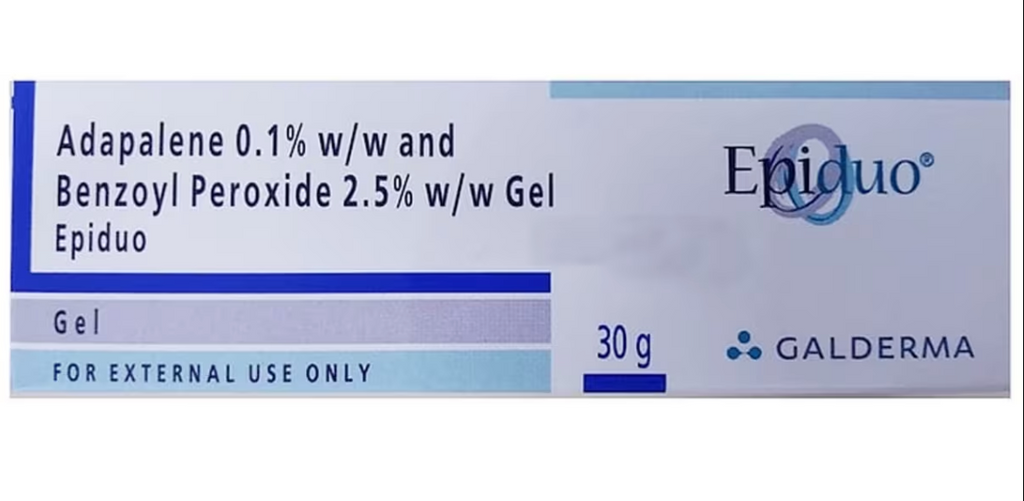
    Epiduo: The ultimate solution for stubborn acne

    Epiduo: The ultimate solution for stubborn acne

    Epiduo is a prescription topical medication used to treat acne. It is a combination of two active ingredients: adapalene and benzoyl peroxide. Adapalene is a retinoid that helps to unclog pores and reduce inflammation, while benzoyl peroxide is an antimicrobial agent that helps to kill the bacteria that can cause acne. Epiduo is applied topically to the skin as a gel or cream, and is usually applied once a day. It is typically used for the treatment of mild to moderate acne and is usually well tolerated, although it may cause side effects such as dryness, redness, and irritation of the skin. Epiduo is a powerful tool in the fight against acne, and can help to clear up pimples, blackheads, and whiteheads, and prevent new breakouts from forming. If you are struggling with acne and are looking for a reliable and effective treatment, Epiduo may be a good option to consider.

    Potential Epiduo adverse effects and tips for application.

    Epiduo gel is a fantastic medication for helping clear acne. The combination of Adapalene and benzoyl peroxide provide the absolute best option to killing bacteria and prevent future breakouts.

    The main thing to be aware of is it takes some time (usually several weeks) for the skin to become fully accustomed to the ingredients in Epiduo.

    So the best thing is to start small.

    First clean your face with a very gentle cleanser, pat dry, then use a pea sized amount maximum.

    Use it once a day maximum, at bedtime, avoiding the eyes, lips and nostrils

    In the beginning Epiduo can actually worsen skin irritation. This is because for the first few weeks your skin is adapting to the effects of the ingredients, which amongst other things promote skin cell turnover, kill bacteria and increase collagen production.

    Over time this possible effect of skin redness and irritated skin will die down and your acne will go away. So stick with it. Epiduo is a long term treatment. You have to be consistent with it.

    To avoid any potential skin problems such as severe redness and dry skin, in the beginning you could apply Epiduo once every other day.

    The active ingredients in Epiduo and how they work together:

    Adapalene

    Adapalene belongs to a group of drugs called topical retinoids, which is a class of compounds related to vitamin A. Retinoids work by speeding up the process of cell turnover, which helps shed dead skin cells, and unclog pores. It also increases collagen production, which helps reduce acne scarring. Adapalene is specifically designed to target acne, and it has been shown to be effective at reducing the number of acne lesions and improving the overall appearance of the skin. It's also possible to purchase adapalene gel separately in a product like Differin Gel.

    Benzoyl peroxide

    Benzoyl peroxide is an antimicrobial agent that helps to kill the bacteria that can cause acne. It works by releasing oxygen into the pores, which kills the bacteria that thrive in the warm, dark environment of the skin. Benzoyl peroxide also helps to unclog pores and reduce sebum.

    Together, adapalene and benzoyl peroxide work to effectively treat acne by unclogging pores, reducing inflammation, and killing the bacteria that can cause breakouts. When applied topically to the skin, Epiduo helps to clear up pimples, blackheads, and whiteheads, and prevent new breakouts from forming.

    The benefits of using Epiduo:

    There are several benefits to using Epiduo for the treatment of acne:

    1. Effectiveness: Epiduo has been shown to be an effective treatment for acne, with numerous studies demonstrating its ability to reduce the number of acne lesions and improve the overall appearance of the skin.
    2. Dual action: The combination of adapalene and benzoyl peroxide in Epiduo provides a two-pronged approach to treating acne, making it more effective than many other acne treatments that only contain one active ingredient.
    3. Long-term results: Epiduo is designed to be used long-term, and it has been shown to provide long-lasting results even after treatment is stopped. This makes it a good option for those looking for a long-term solution to their acne problems.
    4. Well tolerated: Epiduo is generally well tolerated, with only a small percentage of users experiencing side effects such as dryness, redness, and irritation of the skin. These side effects are usually mild and can be managed with proper skincare.
    5. Easy to use: Epiduo is applied topically to the skin as a gel or cream, and is usually applied once a day. This makes it easy to use and incorporate into a daily skincare routine.

    Overall, Epiduo is an effective and convenient option for the treatment of acne, and can help to clear up pimples, blackheads, and whiteheads, and prevent new breakouts from forming.

    Studies or research that have been conducted on Epiduo's effectiveness:

    There have been numerous studies and research conducted on Epiduo, which have demonstrated its effectiveness in the treatment of acne. Here are a few examples:

    1. A study published in the Journal of the American Academy of Dermatology in 2002 found that a combination of adapalene and benzoyl peroxide (like that found in Epiduo) was more effective at reducing the number of acne lesions and improving the overall appearance of the skin compared to either ingredient alone.
    2. A study published in the Journal of Drugs in Dermatology in 2014 found that Epiduo was effective at reducing the number of acne lesions and improving the overall appearance of the skin in patients with moderate to severe acne.
    3. A study published in the Journal of Dermatological Treatment in 2015 found that Epiduo was effective at reducing the number of acne lesions and improving the overall appearance of the skin in patients with mild to moderate acne.
    4. A review published in the Journal of the European Academy of Dermatology and Venereology in 2018 concluded that Epiduo is an effective and well-tolerated treatment option for acne, and can provide long-term benefits even after treatment is stopped.

    These studies provide strong evidence that Epiduo is an effective treatment option for acne, and can help to reduce the number of acne lesions and improve the overall appearance of the skin.

    The potential side effects and how to manage them: 

    Like all medications, Epiduo can cause side effects. The most common side effects associated with Epiduo are skin irritation, dryness, and redness. These side effects are generally mild and can be managed with proper skincare. Here are some tips for managing the potential side effects of Epiduo:

    1. Use a gentle cleanser: Using a gentle cleanser can help to reduce irritation and dryness of the skin. Avoid using harsh soaps or abrasive cleansers, and opt for ones that are formulated for sensitive skin.
    2. Apply moisturizer: Applying a moisturizer can help to reduce dryness and irritation of the skin. Look for a moisturizer that is non-comedogenic (meaning it won't clog pores) and is formulated for sensitive skin.
    3. Use sunscreen: Epiduo can make the skin more sensitive to the sun, so it is important to use sunscreen when using the medication. Look for a sunscreen with an SPF of at least 30 and broad-spectrum protection.
    4. Avoid picking or squeezing pimples: Picking or squeezing pimples can irritate the skin and worsen acne. It is important to resist the urge to pick or squeeze, and instead let the medication work to clear up the pimples.
    5. Talk to your healthcare provider: If you experience any side effects that are severe or persistent, it is important to talk to your healthcare provider. They can provide advice on how to manage the side effects and determine if it is necessary to adjust your treatment plan.

    Overall, the potential side effects of Epiduo are usually mild and can be managed with proper skincare. It is important to follow the instructions of your healthcare provider and use the medication as directed to minimize the risk of side effects.

    Tips for using Epiduo effectively: 

    Here are some tips for taking Epiduo effectively:

    1. Follow the instructions of your healthcare provider: It is important to use Epiduo as directed by your healthcare provider. This may include instructions on how often to apply the medication and how to apply it.
    2. Cleanse your skin before applying Epiduo: Before applying Epiduo, it is important to cleanse your skin to remove any dirt, oil, or makeup that may be present. This will help the medication to be more effective and reduce the risk of irritation.
    3. Apply a thin layer of the medication: When applying Epiduo, it is important to use a thin layer of the medication and to apply it evenly over the affected areas. Applying too much Epiduo can increase the risk of side effects such as severe skin irritation.
    4. Be consistent: To get the best results from Epiduo, it is important to use the medication consistently. This means applying it at the same time each day and using it as directed by your healthcare provider. If you miss a dose, make sure to apply your next dose.
    5. Use a moisturizer: As mentioned earlier, using a moisturizer can help to reduce dryness and irritation of the skin. It is important to use a moisturizer even if you have oily skin, as the medication can dry out the skin.
    6. Avoid using other acne products: It is important to avoid using other acne products while using Epiduo, as this can increase the risk of irritation and dryness of the skin. If you are using other medications or products for your skin, it is important to talk to your healthcare provider before using Epiduo.

    By following these tips, you can use Epiduo effectively and minimize the risk of side effects. It is also important to follow the instructions of your healthcare provider and use the medication as directed to get the best results.

    A comparison of Epiduo to other acne treatments: 

    Here is a comparison of Epiduo to other acne topical treatments:

    1. Other topical retinoids: Topical retinoids are a class of medications that are related to vitamin A and are used to treat acne. They work by speeding up the process of cell turnover, which helps to unclog pores and reduce inflammation. Epiduo contains the topical retinoid adapalene, which is specifically designed to target acne.
    2. Antibiotics: Antibiotics are medications that are used to treat infections caused by bacteria. They are sometimes used to treat acne by killing the bacteria that can cause breakouts. Epiduo does not contain antibiotics, but instead contains the antimicrobial agent benzoyl peroxide, which helps to kill acne-causing bacteria.
    3. Over-the-counter topical acne treatments: There are many over-the-counter acne treatments available, including creams, gels, and spot treatments. These products often contain ingredients such as benzoyl peroxide, salicylic acid, or sulfur, which can help to unclog pores, reducing inflammation. Epiduo is a prescription medication and is usually more potent than over-the-counter options, which can make it more effective at treating acne.
    4. Isotretinoin: Isotretinoin (or tretinoin cream is a powerful medication that is used to treat severe acne that has not responded to other treatments. It works by reducing the production of oil in the skin and preventing the formation of acne lesions. Isotretinoin can be effective at treating acne, but it can also cause serious side effects, including birth defects, and is generally reserved for cases of severe acne that have not responded to other treatments.

    Overall, Epiduo is a prescription medication that is used to treat mild to moderate acne. It is a combination of the topical retinoid adapalene and the antimicrobial agent benzoyl peroxide, which work together to unclog pores, reducing inflammation, and killing acne-causing bacteria. It is generally more potent than over-the-counter acne treatments, but is less potent than isotretinoin and is usually well tolerated.

    Conclusion: 

    Epiduo is a prescription medication that can be used to effectively treat acne. It contains the two best active ingredients, adapalene and benzoyl peroxide. These are the two best ingredients for killing inflammatory acne and also reducing acne scars.

    Epiduo is applied topically to the skin and is usually well tolerated, although it may cause some side effects such as dryness, redness, or irritation of the skin. However these side effects can be reduced by only using a small amount of Epiduo, and perhaps even every other day, especially at the start when your skin is getting used to the effects of this If you are struggling with acne, talk to your doctor about whether Epiduo may be right for you.


    Best hair supplements and medications for growth.

    Best hair supplements and medications for growth.

    Are you looking for strong, beautiful hair? Many of us have been in search of the best hair supplements for growth to achieve this goal. But with so many choices on the market, it's hard to know which ones are worth the money.

    That’s why we've put together this blog post - to help you find the best hair supplements that will help your hair grow and look its best! We'll go over some important things to look for in a supplement, as well as review some of the top products available today. So let's get started!

    Why hair and nails supplements are important

    Supplements are an important tool to consider if you are looking to achieve hair growth.. Taking the right hair and nails supplements can help provide your body with essential nutrients that might be missing from your diet, such as keratin, biotin, zinc, iron, vitamin C and omega-3 fatty acids. These vitamins and minerals play an important role in the health of your hair follicles, helping to prevent hair loss and promote hair growth.

    The hair growth cycle

    The hair growth cycle consists of three phases: the anagen phase, the catagen phase, and the telogen phase.

    During the anagen phase, which is also known as the growth phase, new hair follicles are formed and old ones begin to grow.

    The catagen phase is when the hair follicle gradually enters a resting stage and ceases active growth.

    Finally, during the telogen phase, old hairs shed in order to make room for new hairs to come in.

    Supplements that contain essential vitamins and nutrients can help support healthy hair growth by providing key nutrients to nourish the scalp and stimulate healthy follicle activity. Additionally, supplements containing biotin may help strengthen existing hairs for thicker volume.

    List the best hair growth supplements, including ingredients, benefits, and side effects

    Best vitamins for hair growth

    When it comes to choosing the best supplements for growth, there are many options available on the market. But you want to make sure you include at least the options below.

    Biotin supplements

    Biotin is a B vitamin that is also called vitamin H. It is necessary for a group of enzymes to be able to break down some substances and turn on other enzymes that help the body make myelin.

    Biotin is a vitamin that can be found in eggs, milk, and bananas, among other things. If you don't get enough biotin, your hair may thin and you may get a rash on your face.

    However a lack of biotin is rare.

    Keratin supplements

    Keratin is an essential protein found in hair and nails that helps to give them their strength and structure. Keratin supplements have become increasingly popular in recent years as a way to naturally promote healthy hair and nail growth. These supplements can help to increase keratin production, which then helps to stimulate the growth of new, strong, healthy strands of hair. It also helps to strengthen existing hairs while fortifying nails and reducing breakage. The added keratin also works to replenish lost protein, making it easier for hair and nails to grow stronger and thicker than before.

    Zinc

    Studies have suggested that zinc can play an important role in promoting healthy hair growth. This essential mineral helps in the absorption of essential vitamins, such as vitamin A and E, which are essential for healthy hair production.

    Zinc also helps to stimulate new cell development, promote follicle health, and increase blood circulation to the scalp. Furthermore, zinc helps to balance hormones and reduce stress levels - both of which can contribute to thinning hair.

    For those looking for strong and healthy hair, it's always a good idea to look for supplements with zinc included on their list of ingredients!

    Iron

    Iron is a vital mineral for healthy hair growth. The body needs it to produce haemoglobin, which carries oxygen to the cells and helps them grow. Iron deficiency can cause hair to become thin, weak and brittle. Iron supplements can provide an extra boost of nutrition that helps strengthen existing strands while creating new ones. Studies have shown that taking a daily dose of iron can help reduce hair loss and promote faster and healthier growth. Many people find that taking an iron supplement not only improves their overall hair health but also adds fullness, volume, and shine to their locks.

    In general, lack of iron also can cause fatigue, pale skin and lips, dizziness, shortness of breath, frequent colds and infections, dull hair and brittle nails. Iron deficiency can affect anyone regardless of age or gender and can cause long-term health problems if left untreated. To get enough iron, it's important to get the right balance of iron in your diet and to take iron supplements when necessary.

    Omega fatty acids

    Omega-3 and Omega-6 fatty acids, also known as essential fatty acids (EFA's) are important for healthy hair growth. These fatty acids help to nourish the scalp and hair follicles, encourage healthier cell production, and reduce inflammation. In addition, EFA's help to replenish lost moisture and add shine to the hair. Many products that claim to promote hair growth contain Omega-3 or Omega-6 fatty acids in their ingredients list. If you're looking for shinier hair, it may be worth considering incorporating some of these supplements into your daily routine!

    Hydrolyzed collagen

    Hydrolyzed collagen is a type of protein that can be taken as a supplement to promote thicker, healthier-looking hair.

    Collagen helps to create keratin, which is an essential component of strong and healthy hair. Furthermore, this supplement can also lead to increased nail health and strength due to the presence of amino acids.

    Hydrolyzed collagen has been found to help improve overall hair thickness and reduce split ends in some studies, making it an attractive option for those looking for stronger, healthier hair!

    B vitamins

    B vitamins play an important role in supporting healthy hair growth. Vitamin B complex, which is a combination of eight different B vitamins, helps the body convert food into energy and assists in cell renewal. This process is essential for collagen production, which is needed for strong and healthy hair. Additionally, vitamin B7 (biotin) has been found to be beneficial for preventing hair loss and promoting the growth of shiny new strands. Foods that are rich in B vitamins include fish, poultry, eggs, leafy greens, dairy products, legumes and nuts.

    Other hair supplements

    Hyaluronic acid

    Hyaluronic acid is something that your body makes on its own, but it can also be made in a lab. As a humectant, it can hold on to water and hold about 1000 times its own weight in water.

    Hyaluronic acid is used by rubbing onto the scalp and hair.

    Take a pea-sized dose of HA serum after you get out of the shower. If you use too much serum, it could make your hair greasy and flat.

    Use your fingertips to rub the product into your scalp for 5–10 minutes.

    The rest of your hair can get a few more drops of serum. Use your hands to rub the product together and spread it evenly along the length of your hair.

    Other beneficial ingredients

    Other beneficial ingredients that can be found in hair supplements include saw palmetto extract, horsetail extract, green tea extract, and ginseng root powder.

    Medical interventions for hair loss

    Medical interventions for hair loss can range from oral medications to topical lotions.

    Oral medications, such as finasteride, usually require a doctor’s prescription and are typically taken over the course of several months.

    Topical treatments include lotions and creams that are applied directly to the scalp to help stimulate hair growth.

    Hair transplantation is another medical intervention that can be used to restore hair in cases of extreme baldness or thinning. This procedure involves transferring follicles from one part of the scalp to another in order to promote new hair growth. In some cases, laser therapy may also be used to help stimulate new hair growth.

    Finasteride (aka Proscar and Propecia) is a medication used to treat hair loss

    Finasteride is a prescription drug commonly used for the treatment of male-pattern baldness.

    It works by blocking the activity of an enzyme called 5-alpha reductase, which is responsible for converting testosterone into dihydrotestosterone (DHT).

    By blocking this enzyme, Finasteride helps to prevent further hair loss and can even promote new hair growth in some cases.

    The most common side effects of finasteride include decreased sex drive and erectile dysfunction. In rare cases, finasteride has also been linked to depression and other mental health issues. However, these risks typically go away when the drug is discontinued.

    Side effects of using Finasteride are uncommon but you should consult a board certified dermatologist if you're concerned at all.

    Minoxidil aka Regaine for male pattern baldness

    Minoxidil is one of the few medicines that can actually regrow hair and make hair thicker.

    It isn't to be taken lightly as it does have some side effects to be aware of. For example it can cause some hair shedding at the start, so it can make your hair seem worse in the very beginning, but stick with it because the hair will grow back and you'll notice increased hair thickness and stronger hair.

    Minoxidil is the best hair growth medicine because it works by widening the blood vessels in the skin, allowing increased delivery of nutrients and oxygen to hair follicles. This helps support new hair growth, strengthening existing hairs.

    When applied directly to the scalp, it can also increase blood circulation and encourage thicker, fuller hair growth in balding or thinning areas.

    When the hair follicle gets smaller its' known as follicle miniaturisation. This can cause hair thinning and hair loss and Minoxidil helps reverse this by increasing the size of the follicle to increase hair growth.

    Minoxidil is available as an over-the-counter topical solution or foam that should be applied twice daily for best results. I takes up to 2-4 months to see a noticeable difference

    Why does Minoxidil cause hair shedding?

    Minoxidil is a medication commonly used to treat hair loss, but it can also cause a shedding phase. This is because when Minoxidil is applied topically to the scalp, it triggers a process known as 'micro-inflammation,' which increases blood flow to the scalp and encourages the growth of new hairs.

    Although this can be beneficial in helping people with thinning hair regain their lost volume and fullness, it can also lead to a period of temporary shedding as more hairs enter their growth cycle. In general, this side effect should subside after 2-3 months of consistent use.

    Lifestyle choices

    In addition to taking a supplement for growth, it is also important to maintain healthy hair with diet and lifestyle changes. Eating foods that are rich in nutrients such as fruits, vegetables, protein, and omega-3 fatty acids can provide all the vitamins essential for hair health. Additionally, limiting the use of hair styling products and avoiding excessive heat can help protect your hair from damage.

    If you have concerns about taking a supplement or are unsure if it is right for you, it is important to speak with a doctor or nutritionist. They can provide advice on which supplements may be best for your individual needs as well as any potential side effects of the product.

    Summary

    To summarize, hair supplements for growth can be an effective tool for achieving thicker and longer locks over time. It is important to find a product with all-natural ingredients such as biotin, keratin, zinc, iron, and omega-3 fatty acids. When choosing a supplement, it is important to consider your individual needs as well as any potential side effects of the product. Additionally, maintaining healthy hair with diet and lifestyle changes can be beneficial for hair health. If you have concerns about taking a supplement, it is important to speak with a doctor or nutritionist before starting.


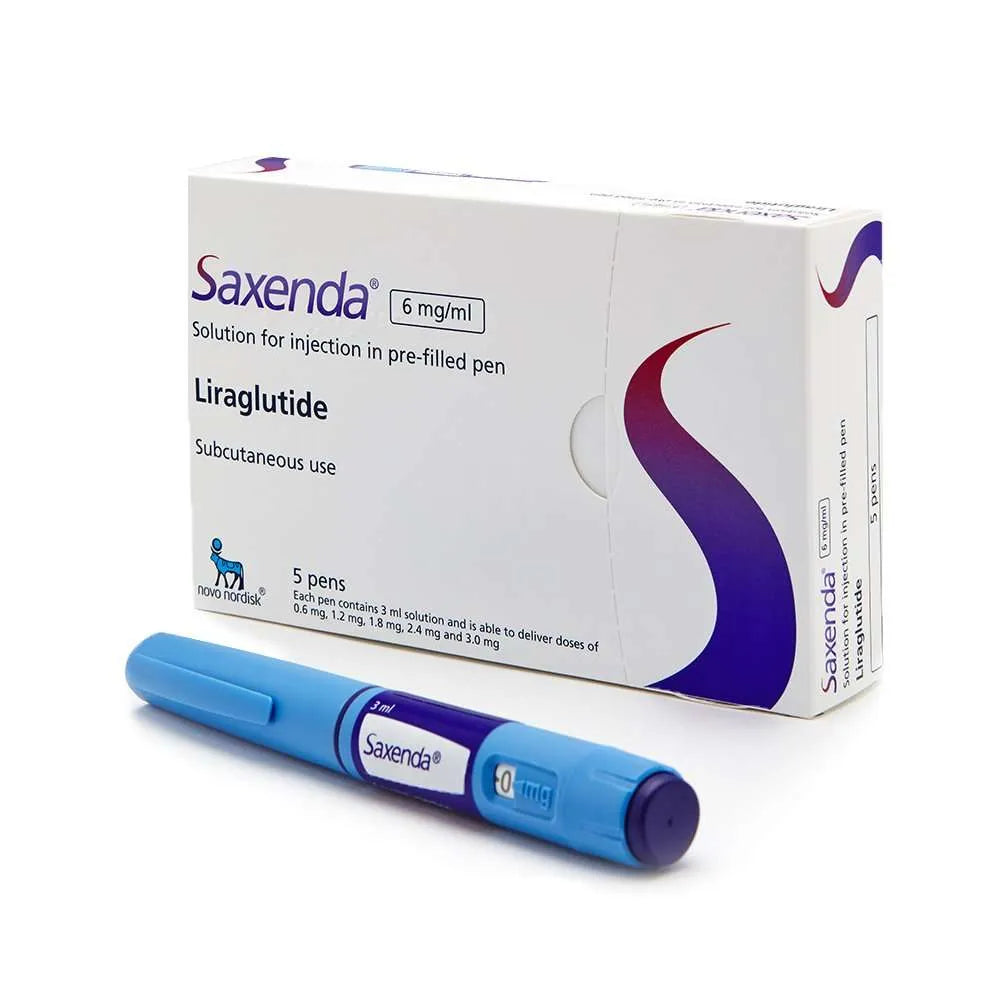
    Saxenda (liraglutide) for weight loss

    Saxenda (liraglutide) for weight loss

    Saxenda (liraglutide) is a prescription medication that is used to help some people lose weight. It is a type of drug called a glucagon-like peptide-1 (GLP-1) receptor agonist, which is a hormone that helps regulate appetite and metabolism. Saxenda works by mimicking the effects of GLP-1, a hormone that is naturally produced in the body. When GLP-1 levels are high, the body is more likely to use stored fat as energy, which can help with weight loss.

    Saxenda is typically used in combination with a reduced-calorie diet and exercise to help people who are obese or who are overweight and have weight-related medical problems lose weight. It is usually prescribed for people who have not been able to lose weight through diet and exercise alone. Saxenda is usually taken as an injection once a day. It can cause side effects such as nausea, diarrhea, and constipation. It is important to talk to your doctor about the potential risks and benefits of using Saxenda before starting treatment.

    How much weight can I lose with Saxenda? How quickly?

    The amount of weight you will lose with Saxenda will depend on a number of factors, including your diet, exercise routine, and other medical conditions you may have. In clinical studies, people who used Saxenda in combination with a reduced-calorie diet and increased physical activity lost an average of 6 to 8.5% of their body weight after one year. This is equivalent to a weight loss of about 12 to 24 pounds for a person who weighs 200 pounds. However, it is important to note that weight loss results may vary from person to person. Some people may lose more weight, while others may lose less.

    Saxenda is not a quick-fix solution and requires a commitment to lifestyle changes, including a healthy diet and regular exercise, in order to be effective. It is also important to note that Saxenda can cause side effects, such as nausea, diarrhea, and constipation, and may not be suitable for everyone. It is important to talk to your doctor about the potential risks and benefits of using Saxenda before starting treatment.

    Who is Saxenda for?

    Saxenda (liraglutide) is a prescription medication that is used as an aid to help people lose weight. It is generally intended for use in adults who are obese or who are overweight and have other weight-related medical problems, such as high blood pressure or type 2 diabetes. Saxenda is not recommended for use in children.

    Who should not use Saxenda?

    Saxenda® should not be used if:

    If you or a member of your family has ever had MTC, or if you have MEN 2, you have had a strong allergic reaction to liraglutide or any of the ingredients in Saxenda®, you should not take Saxenda®. See "What are the probable negative effects of Saxenda®?" for symptoms of severe allergic reactions.

    You are pregnant or intend to get pregnant. Saxenda® may be harmful to your unborn child.

    Saxenda (liraglutide) can cause a variety of side effects, some of which can be serious.

    Common side effects of Saxenda may include:

    • Nausea
    • Diarrhea
    • Constipation
    • Stomach pain
    • Headache
    • Dizziness

    Less common side effects may include:

    • Rash
    • Itching
    • Swelling (especially of the face, lips, tongue, or throat)
    • Difficulty breathing or swallowing

    Saxenda can also cause serious side effects, including:

    • Pancreatitis (inflammation of the pancreas)
    • Gallbladder problems
    • Kidney problems

    If you experience any unusual symptoms while taking Saxenda, it is important to tell your healthcare provider right away.

    It is also important to talk to your healthcare provider if you experience any side effects while taking Saxenda. They can recommend ways to help reduce or manage them.

    Summary

    • Saxenda is a prescription medication that is used as an aid to help people lose weight. It is not a substitute for diet and exercise, and the best results are typically achieved when it is used in combination with lifestyle changes.
    • Saxenda is generally intended for use in adults who are obese or who are overweight and have other weight-related medical problems, such as high blood pressure or type 2 diabetes. It is not recommended for use in children.
    • Saxenda can cause serious side effects, including pancreatitis, gallbladder problems, and kidney problems. It is important to tell your healthcare provider right away if you experience any unusual symptoms while taking Saxenda.
    • Saxenda can also cause other side effects, such as nausea, diarrhea, and constipation. It is important to talk to your healthcare provider if you experience any of these side effects.
    • Saxenda should be used with caution in people with a history of pancreatitis or other pancreatic problems.
    • It is important to talk to your healthcare provider before starting treatment with Saxenda to determine if it is the right option for you.


    Hydrogen Peroxide

    Hydrogen Peroxide

    Hydrogen peroxide (H2O2) is a chemical compound that is a pale blue liquid at room temperature. It is a powerful oxidizer, meaning that it can readily donate oxygen atoms to other substances, and is used for a variety of purposes including cleaning, and bleaching.

    Hydrogen peroxide (H2O2) breaks down into one H2O molecule and one O2 molecule, meaning, it breaks down into water and oxygen. The spare oxygen particle creates the oxygenation or bleaching effect.

    In its pure form, hydrogen peroxide is a strong irritant to the skin, eyes, and respiratory system, and can cause severe burns. It should be handled with caution and used only in well-ventilated areas. 

    When diluted, hydrogen peroxide can be used as a disinfectant to kill bacteria and viruses on surfaces, and is sometimes used as a mouthwash or to rinse cuts or scrapes to help prevent infection. However, it should not be ingested, as it can cause serious harm to the body if ingested in large amounts.

    General uses of hydrogen peroxide

    Cleaning and Disinfecting: 

    When diluted with water, hydrogen peroxide can be used to clean and disinfect surfaces. It can kill bacteria and viruses on contact, making it a useful alternative to harsh chemical disinfectants. There are no known disease-causing bacteria or fungi that develop resistance to hydrogen peroxide.

    Bleaching: 

    Hydrogen peroxide can be used to bleach fabrics and papers. It is often used in the production of pulp and paper, as well as in the textile industry. Hydrogen peroxide is also used in hair products to lighten hair.

    Hair Treatment:

    Hydrogen peroxide is a common household product that is often used as a hair treatment to lighten the hair or remove stains from the scalp. It works by breaking down into water and oxygen when it comes into contact with living tissue, which can help to bleach the hair and remove stains.

    To use hydrogen peroxide as a hair treatment, mix a small amount of hydrogen peroxide (usually 3% concentration) with an equal amount of water. Apply the mixture to your hair, making sure to coat all of the hair evenly. You can then either let the mixture sit in your hair for a few hours or overnight, or you can rinse it out after a few minutes.

    Hydrogen peroxide can be very drying to the hair, so it is important to follow up with a moisturizing conditioner after using it. It is also important to note that hydrogen peroxide can cause some side effects, such as irritation or dryness on the scalp, if it is used in too high of a concentration. To avoid these side effects, be sure to dilute the hydrogen peroxide with water as directed and avoid getting it in your eyes or on your skin.

    In general, hydrogen peroxide is a safe and effective hair treatment when it is used as directed. However, it is always a good idea to talk to a dermatologist or hair care professional before using any new hair treatment product, particularly if you have any pre-existing health conditions or allergies.

    Mouthwash: 

    Hydrogen peroxide can be used as a mouthwash to help kill bacteria and freshen breath. It works by breaking down into water and oxygen when it comes into contact with living tissue, which can help to kill bacteria and other microorganisms in the mouth.

    To use hydrogen peroxide as a mouthwash, dilute a small amount of hydrogen peroxide (usually 3% concentration) with an equal amount of water. Swish the solution around in your mouth for 30 seconds to 1 minute, then spit it out and rinse your mouth with water. You can do this once or twice a day, as needed.

    It is important to note that hydrogen peroxide can cause some side effects, such as stinging or burning in the mouth, if it is used in too high of a concentration. To avoid these side effects, be sure to dilute the hydrogen peroxide with water as directed and do not swallow the mouthwash.

    In general, hydrogen peroxide is a safe and effective mouthwash when it is used as directed. However, it is always a good idea to talk to your doctor or dentist before using any new oral hygiene product, particularly if you have any pre-existing health conditions or allergies.

    First Aid: 

    Hydrogen peroxide is a common antiseptic that is used to kill microorganisms on the skin. It works by breaking down into water and oxygen when it comes into contact with living tissue, which can help to kill bacteria and other microorganisms.

    Hydrogen peroxide is often used as a first aid antiseptic to clean minor cuts, scrapes, and burns. It can also be used to help prevent infections in wounds that are more serious. However, it is important to note that hydrogen peroxide should not be used on deep wounds or puncture wounds, as it can damage healthy tissue and delay the healing process.

    In general, hydrogen peroxide is a safe and effective antiseptic when it is used as directed. However, it is important to follow the instructions on the label and to dilute the hydrogen peroxide with water if it is being used on the skin. Using undiluted hydrogen peroxide can cause skin irritation and other side effects.

    Gardening and hydroponics

    Hydrogen peroxide can be used in gardening and hydroponics in a number of ways. Here are a few examples:

    As a cleaning agent: 

    Hydrogen peroxide can be used to clean and sterilize tools, pots, and other surfaces in the garden.

    As a root soak: 

    Mixing hydrogen peroxide with water and using the solution to soak the roots of plants can help to oxygenate the soil and stimulate root growth.

    As a foliar spray: 

    Hydrogen peroxide can be mixed with water and sprayed onto the leaves of plants to help control certain types of fungal infections.

    As a seed treatment: 

    Soaking seeds in a solution of hydrogen peroxide and water can help to kill off any bacteria or fungi that may be present on the seeds and improve the chances of successful germination.

    It is important to note that hydrogen peroxide can be harmful to plants if it is used in too high of a concentration, so it is important to be careful and follow the instructions on the label when using it in the garden.

    Warning

    Wear gloves: Hydrogen peroxide can cause skin irritation and dryness. It's a good idea to wear gloves when handling it to protect your hands.

    Keep it out of reach of children: Hydrogen peroxide should be kept out of reach of children as it can be harmful if ingested.

    Don't mix it with other chemicals: Hydrogen peroxide should not be mixed with other chemicals, as this can produce dangerous or toxic gases.

    Don't use it on open wounds: Hydrogen peroxide should not be used on open wounds as it can damage healthy tissue and delay the healing process.

    Don't overuse it: It's important to use hydrogen peroxide in moderation, as overuse can lead to skin irritation and dryness.

    Use it in a well-ventilated area: Hydrogen peroxide can release oxygen gas when it breaks down, so it's important to use it in a well-ventilated area.

    Summary

    • Hydrogen peroxide (H2O2) is a pale blue liquid used for cleaning, bleaching and disinfecting surfaces. 
    • It breaks down into water and oxygen when it comes into contact with organic matter, which can help to bleach, and remove stains from materials.
    • When diluted with water, hydrogen peroxide can be safely used as a mouthwash or first aid antiseptic to clean minor cuts, scrapes and burns. 
    • Hydrogen peroxide can also be used in gardening and hydroponics as a cleaning agent, root soak solution or foliar spray to control fungal infections on plants. 
    • Caution should always be taken when handling hydrogen peroxide; it should only be handled in well-ventilated areas according to instructions on label.
    Meal replacement drinks for weight management

    Meal replacement drinks for weight management

    The meal replacement drinks in this guide meant to manage weight, either by adding nutrients and calories to those who require more in their diet and are unable to get enough, either due to lifestyle or age and medical conditions, or those who are hoping to lose weight with high protein, high fiber, low calorie filling drinks.

    The two most common types of groups of people who typically are interested in these weight gain drinks are: 

    1. Those looking to manage weight for sports or aesthetic reasons.

    2. Those who have special needs such as the elderly or with medical conditions. 

    Meal replacement drinks, such as those offered by Nutricia, are typically used for medical purposes, for the elderly can be used as a tool for weight control. 

    Other drinks like Optifast can be used by healthy individuals to replace a meal per day, to help reduce caloric intake and lose weight. 

    If you are considering using meal replacement drinks as a way to manage weight or yourself or someone else, it is important to speak with a healthcare professional to determine if this approach is appropriate.

    Nutricia

    Nutricia is a brand of nutritional products that are manufactured by Danone, a multinational food and beverage company. The brand's products are designed to meet the nutritional needs of people with specific health conditions or special dietary requirements. These products include infant formula, enteral nutrition products for people who cannot consume food orally, and medical nutrition products for people with conditions such as diabetes, food allergies, and malabsorption disorders. The company's products are formulated to be safe, high-quality, and effective in meeting the nutritional needs of the people who use them. Nutricia products are available through healthcare professionals and pharmacies in many countries around the world.

    Nutriciahas a range of products including;

    Nutricia Calogen

    Nutricia Calogen products are often used by people who have conditions that affect their ability to eat or digest food, such as cancer, HIV/AIDS, or Crohn's disease. They can also be used by people who are recovering from surgery or illness, or who have a higher nutritional requirement due to physical activity or other factors. Some examples of products in the Nutricia Calogen range include Calogen Original, Calogen Energy, and Calogen Energy Plus.

    They are high in calories and protein and are intended to be used as a supplement to a person's regular diet, not as a sole source of nutrition. Nutricia Calogen products are often used by people who have conditions that affect their ability to eat or digest food, such as cancer, HIV/AIDS, or Crohn's disease. They can also be used by people who are recovering from surgery or illness, or who have a higher nutritional requirement due to physical activity or other factors.

    Nutricia Fortijuce

    The supplements come in the form of a juice-like beverage and are intended to be used as a supplement to a person's regular diet, not as a sole source of nutrition. They are high in calories and protein and are formulated to be easy to digest and absorb. Nutricia Fortijuce products are often used by people who have conditions that affect their ability to eat or digest food, such as cancer, HIV/AIDS, or Crohn's disease. They can also be used by people who are recovering from surgery or illness, or who have a higher nutritional requirement due to physical activity or other factors.

    Nutricia Fortisip 

    They are high in calories and protein and are intended to be used as a supplement to a person's regular diet, not as a sole source of nutrition. Nutricia Fortisip products are often used by people who have conditions that affect their ability to eat or digest food, such as cancer, HIV/AIDS, or Crohn's disease. They can also be used by people who are recovering from surgery or illness, or who have a higher nutritional requirement due to physical activity or other factors. Some examples of products in the Nutricia Fortisip range include Fortisip Compact, Fortisip Compact Protein, and Fortisip Compact Fibre.

    Nutricia Fortini

    The Fortini line includes a variety of products designed to provide nutrition for people with specific dietary needs, such as people who are unable to eat solid food or who have difficulty absorbing nutrients. These products are typically high in protein and other nutrients and are available in a variety of flavors. Some examples of Nutricia Fortini products include:

    • Fortini Multi Fiber: a nutritionally complete, fiber-rich liquid nutrition product for people who have difficulty eating solid food or who have malabsorption issues.

    • Fortini MCT: a nutritionally complete liquid nutrition product that is high in medium-chain triglycerides (MCTs), which can be easier for the body to digest and absorb than other types of fat. This product is suitable for people who have difficulty digesting fat or who are at risk of malnutrition.

    • Fortini Shake: a nutritionally complete, high-protein shake that can be used as a meal replacement or as a supplement to a regular diet.

    • Fortini Light: a lower-calorie version of Fortini Shake that is suitable for people who are trying to manage their weight.

    • Fortini Dual: a nutritionally complete, high-protein liquid nutrition product that is suitable for people who require additional protein in their diet.

    These are just a few examples of the products that are available in the Nutricia Fortini range. If you have specific dietary needs or are looking for a nutrition product to help you meet your nutritional goals, it is important to speak with a healthcare professional or a registered dietitian to determine which product is best for you.

    Nutricia Nutilis Powder

    Nutilis Powder is a thickening agent that can be added to drinks, pureed foods, and other liquids to help them achieve a desired consistency. It is often used to help people who have difficulty swallowing (dysphagia) or who have a need for a thicker consistency in their diet due to medical conditions or treatments.

    Nutilis Powder is made from a combination of hydrolyzed corn starch and maltodextrin, which are both easily digestible and well tolerated by most people. It is available in a variety of flavors, including vanilla, strawberry, and neutral, and can be mixed with a variety of liquids to create a thickened beverage or pureed food.

    Nutilis Powder is a medical nutrition product and is typically used under the guidance of a healthcare professional or registered dietitian. If you have difficulty swallowing or have been advised to follow a thickened liquid diet for any other reason, it is important to speak with a healthcare professional or registered dietitian to determine if Nutilis Powder is appropriate for you and to help you use it safely and effectively as part of your overall nutrition plan.

    Nutricia Souvenaid

    Souvenaid is formulated to provide specific nutrients that may be important for supporting brain function in people with early-stage Alzheimer's disease. It is available as a ready-to-drink liquid or as a powder that can be mixed with water or other beverages.

    Souvenaid contains a blend of nutrients, including phospholipids, omega-3 fatty acids, and choline, which are thought to support brain function and may be important for maintaining brain health. It is also formulated with a proprietary blend of nutrients called Fortasyn Connect, which is designed to support brain cell communication and repair.

    Souvenaid is a medical nutrition product and is typically used under the guidance of a healthcare professional or registered dietitian. It is important to note that Souvenaid is not a treatment for Alzheimer's disease and is not intended to replace any prescribed medications. If you or a loved one has been diagnosed with Alzheimer's disease and you are interested in using Souvenaid or other nutrition products to support brain function, it is important to speak with a healthcare professional or registered dietitian to determine if this approach is appropriate for you and to help you use it safely and effectively as part of your overall nutrition plan.

    Nestle

    Sustagen 

    Sustagenis a brand of medical nutrition products made by Nestle Health Science. The Sustagen range includes a variety of products, such as powders and ready-to-drink shakes, that are formulated to provide balanced nutrition for people with specific dietary needs. These products are often used as a source of complete or supplemental nutrition for people who are unable to eat or who have difficulty absorbing nutrients from solid food.

    Sustagen products are available in a range of flavors and formulations to suit different dietary needs. Some examples of Sustagen products include:

    • Sustagen Hospital Formula: a nutritionally complete, high-energy liquid nutrition product that is suitable for people who have high caloric needs or who are at risk of malnutrition.

    • Sustagen Active: a nutritionally complete, high-protein liquid nutrition product that is designed to help support muscle mass and recovery.

    • Sustagen Essentials: a nutritionally complete, high-energy powder that can be mixed with milk or water to create a nutritious shake.

    • Sustagen Sport: a nutritionally complete, high-protein powder that is designed to help support muscle mass and recovery in athletes and active individuals.

    Sustagen products are typically used under the guidance of a healthcare professional or registered dietitian. If you have specific dietary needs or are looking for a nutrition product to help you meet your nutritional goals, it is important to speak with a healthcare professional or registered dietitian to determine which product is best for you.

    Optifast

    Optifastis a brand of medical nutrition products made by Nestle Health Science. Optifast is a meal replacement program designed for weight loss. It involves consuming a low-calorie diet consisting of Optifast meal replacement shakes, soups, and bars, as well as incorporating regular physical activity and behavior modification. The program is typically supervised by a healthcare provider, such as a doctor or dietitian, and is intended to be followed for a period of several weeks to several months. The goal of the Optifast program is to help people lose weight and improve their overall health by making lifestyle changes. It is not intended to be a long-term weight loss solution, but rather a tool to help people get started on a path to healthier habits. As with any weight loss program, it is important to consult with a healthcare provider before starting Optifast to determine if it is appropriate and safe for you.

    Abbott Nutrition - Ensure

    Ensureis a brand of nutritional supplements that is produced by Abbott Nutrition. The products are designed to provide complete, balanced nutrition for people who may have difficulty getting enough nutrients from their diet due to illness, injury, or other health conditions. The products are available in a variety of forms, including shakes, powders, and ready-to-drink bottles, and come in a variety of flavors. In addition to the original Ensure formula, the company also offers specialized formulas for people with specific health needs, such as Ensure High Protein, Ensure Clear, and Ensure Max Protein.

    Ensure is intended for use as a supplement to, not a replacement for, a healthy diet. It is not intended for use as a sole source of nutrition and should be used under the supervision of a healthcare provider. If you are considering using Ensure or any other nutritional supplement, it is important to discuss your specific needs and dietary restrictions with a healthcare provider to determine if it is appropriate for you.

    Ensure Powder

    Ensure Powder is a nutritional supplement that is available in the form of a powder that can be mixed with water or other beverages. It is typically used to help people who have difficulty getting enough nutrients from their diet, such as those who are malnourished or have difficulty swallowing, to get the nutrients they need. Ensure Powder is available in a variety of flavors and provides a balanced combination of proteins, carbohydrates, and fats, as well as vitamins and minerals. It is often used as a meal replacement or to supplement the diet of people who have a reduced appetite or a medical condition that requires a special diet.


    Others

    EleCare

    EleCare is a medical food designed for people with severe food allergies or sensitivities, or for those who have difficulty digesting or absorbing nutrients from regular food. It is often used for infants, children, and adults who have conditions such as short bowel syndrome, food allergies, malabsorption, and other conditions that affect their ability to get proper nutrition from regular food. EleCare is a hypoallergenic formula that is free of common allergens such as milk, soy, wheat, and nuts, and is easy to digest. It is available in both a liquid and a powder form, and can be taken orally or through a feeding tube. EleCare is intended to be used under the supervision of a healthcare professional.

    Duocal

    Duocal is a medical food that is used to provide additional calories and nutrients to people who are unable to get enough nutrition from regular food due to conditions such as malnutrition, malabsorption, or difficulty swallowing. It is often used for older adults, as well as for infants and children who have conditions such as short bowel syndrome, food allergies, or other conditions that affect their ability to get proper nutrition. Duocal is a powder that is mixed with food or a beverage to increase the caloric and nutrient content. It is high in calories and protein, and is low in fat and lactose. Duocal is intended to be used under the supervision of a healthcare professional.

    Summary

    • Meal replacement drinks are used for weight management, either to add nutrients and calories or as a tool for weight loss.

    • Nutricia is a brand of nutritional products that offer meal replacements specifically designed for medical purposes such as those with special needs like the elderly or with medical conditions. 

    • Their range includes Fortisip, Fortini, Nutilis Powder and Souvenaid which provide complete nutrition tailored to specific dietary requirements. 

    • Nestle's Sustagen provides balanced nutrition while Optifast is a meal replacement program intended for short-term use under supervision from healthcare professionals. 

    • Abbott Nutrition’s Ensure offers specialized formulas in shakes, powders and ready-to-drink bottles suitable as supplements to healthy diet plans when used under guidance from healthcare providers.


    What are Electral Oral Electrolyte Rehydration Sachets, and why are they so important?

    What are Electral Oral Electrolyte Rehydration Sachets, and why are they so important?

    What are Electral Oral Electrolyte Rehydration Sachets, and why are they so important?

    Electral Oral Electrolyte Rehydration Sachets are a type of oral hydration solution that is specifically formulated to replace fluids and electrolytes that are lost due to illness, physical activity, or other causes of dehydration. 

    They are important because dehydration can have serious consequences, including fatigue, dizziness, muscle cramps, and in severe cases, organ damage.

     Electral sachets can help to treat and prevent dehydration, making them an essential tool for maintaining good health and well-being.

    How do Electral sachets work to prevent and treat dehydration?

    Electral sachets contain a combination of electrolytes (such as sodium, potassium, and chloride) and carbohydrates in the form of glucose or sucrose. 

    When these ingredients are dissolved in water and consumed, they help to restore the balance of fluids and electrolytes in the body. This helps to alleviate symptoms of dehydration and prevent further fluid loss.

    When should Electral sachets be used, and who can benefit from using them?

    Electral sachets are a type of electrolyte replacement and rehydration solution used to treat dehydration. 

    They are recommended for use when a person is suffering from vomiting, diarrhea (diarrhoea), or excessive sweating due to heat exposure. 

    Electral sachets can also be beneficial for those participating in sports activities, particularly endurance events such as marathons, as well as people working in hot environments, children suffering from gastroenteritis, and the elderly who may suffer from more severe forms of dehydration. 

    Everyone can benefit from using Electral sachets, especially if they are facing any of the above-mentioned symptoms.

    How to prepare and use Electral sachets properly.

    To prepare an Electral sachet, first, clean and sterilize a glass or container. Then, add 200 mL (just under 1 cup) of clean drinking water to the container. Open the Electral sachet and empty the contents into the water, stirring until the powder is fully dissolved. 

    The resulting drink can be consumed immediately or stored in the refrigerator for later use. 

    It is important to follow the dosing instructions on the package and not exceed the recommended amount, as overconsumption of electrolytes can cause an imbalance in the body.

    The potential side effects of using Electral sachets and how to manage them.

    In most cases, Electral sachets are well-tolerated and do not cause any significant side effects. However, some people may experience mild digestive issues such as bloating or diarrhea after consuming the solution. 

    These symptoms can usually be managed by reducing the amount of Electral sachets consumed or by drinking the solution more slowly. It is important to consult with a healthcare professional if you experience persistent or severe side effects, or if you have any underlying health conditions that may be affected by the use of Electral sachets.

    Electral sachets versus sports drinks.

    1. Easier.

    Electral sachets are easier to carry and combine with water than sports drinks. For on-the-go hydration, electral sachets don't need refrigeration.

    2. Cheaper.

    Electral sachets are cheaper than sports drinks. A sports drink costs $3, but a packet of electral powder costs less than $1.

    3. Pure electrolytes

    Electrolyte sachets contain minerals that control fluid equilibrium. Sports drinks provide electrolytes and lots of sugar and calories.

    4. Low-calorie.

    Low-calorie electral sachets are beneficial for weight loss or maintenance. Sports drinks are heavy in sugar and calories, which might cause weight gain.

    5. No artificial sweeteners.

    Electral sachets have another benefit over sports drinks: no artificial sweeteners. Artificial sweeteners may cause cancer, obesity, and type 2 diabetes.

    6. No caffeine.

    Caffeine can produce jitteriness, anxiety, and sleeplessness. Caffeine-sensitive people should avoid sports drinks. For people who want to avoid caffeine, electral sachets are best.

    Tips for maintaining hydration, especially during times of illness or physical activity.

    • Drink plenty of water: Aim for at least 8 cups (64 ounces) of water per day, and more if you are sweating heavily or experiencing diarrhea or vomiting.

    • Eat hydrating foods: Fruits and vegetables with high water content, such as watermelon, cucumbers, and strawberries, can help to keep you hydrated.

    • Avoid diuretics: Alcohol, caffeine, and certain medications can increase fluid loss and worsen dehydration.

    • Wear appropriate clothing: Choose lightweight, breathable fabrics and dress in layers to help regulate your body temperature and prevent sweating.

    • Stay in a cool, shaded area: Excessive heat can cause your body to lose fluids more quickly, so try to stay out of the sun or in a cool, air-conditioned environment when possible.

    Ingredients

    • Anhydrous Glucose BP: 2.7 g

    • Sodium chloride BP: 0.52 g

    • Sodium citrate BP: 0.58 g

    • Potassium chloride BP: 0.3 g

      (WHO recommended formula)

      Ingredients explained: Anhydrous glucose and dextrose are chemically the same compounds, they are different forms of glucose. Dextrose is the common name for glucose that exists in a monohydrate form (meaning it has one molecule of water attached to it). Anhydrous glucose, as the name implies, is glucose that has no water molecules attached to it. They are chemically identical, the difference is that one is a monohydrate form and the other is the anhydrous form (without water)

    Summary

    • Electral Oral Electrolyte Rehydration Sachets are a type of oral hydration that helps to replace fluids and electrolytes lost due to illness, physical activity, or other causes. 

    • They can help prevent and treat dehydration, which can have serious consequences if left untreated. 

    • Electral sachets contain electrolytes and carbohydrates in the form of glucose or sucrose which are dissolved in water for consumption. 

    • They should be used whenever at risk of becoming dehydrated such as during periods of illness, physical activity or hot/humid environments; they may also benefit those who cannot take fluid by mouth due to digestive issues like vomiting.  

    • To prepare an Electral sachet one must first clean/sterilize a glass container then add 200mL (just under 1 cup) clean drinking water followed by emptying the contents into it stirring until fully dissolved - following dosing instructions on package is important so not to exceed recommended amount as overconsumption could cause imbalance in body.  

    • Side effects from use may include mild digestive issues but these can usually be managed; consult with healthcare professionals if experiencing persistent/severe side effects & underlying health conditions affected by use might exist too .

    Best pharmacy products for the treatment of acne and acne scars

    In summary, the two best products for treating acne and acne scarring are Adapalene (which is a retinoid) and benzoyl peroxide, which is essentially like a bleach or antiseptic. 

    You can buy these products separately or premixed together. 

    We sell Adapalene as a product called Differin

    We sell benzoyl peroxide as a product called Benzac AC.

    Together, adapalene + benzoyl peroxide is sold as a product called EPIDUO

    The best topical treatment for acne and acne scarring, according to various studies (which will be linked later in this article) seems to be adapalene + benzoyl peroxide together. As this combines the effects of two of the best products for treating acne. However, this may be overkill for some forms of acne, especially those that don’t have scarring, in which case adapalene (Differin) alone will be ideal.

    Using Retinoids for acne treatment

    Retinoids are a certain class of chemicals which help the skin. They are only available on prescription, but a weaker version called retinols is available over the counter.

    There are around six different retinoids, but the best one for acne and acne scarring is called adapalene.

    What causes acne and how do retinoids treat the cause?

    Acne is essentially caused by ‘abnormal keratinisation’, which means the skin grows too fast. 

    This blocks pores in the skin. Pores fill up with sebum, which is the natural oil that your skin produces to protect it from drying out. 

    The normal bacteria on the skin starts to over-grow, because they eat this oil which is now overflowing from the pore. 

    This causes inflammation in the pore. 

    Adapalene helps reduce acne by stopping its root cause, which is this ‘abnormal keratinisation’. 

    This means your pores don’t become clogged in the first place, stopping oil build up and inflammation before it even starts.

    Using Differin Gel (adapalene) as a treatment for acne 

    Differin gel contains the active ingredient ‘adapalene’, which is the best retinol for treating acne and acne scarring.

    Differin gel 0.1% is available to buy over the counter.

    Using adapalene (Differin gel) for treating acne scars

    A study published on PubMed on subjects ages 18-50 years, with moderate to severe facial acne, found that adapalene gel worked well.

    50-80% of subjects reported improvement in skin texture after 24 weeks. Subjects were satisfied and reported quality of life improvements.

    Studies on Differin 0.1% gel didn’t have such a large impact on scarring, however, it stopped new scarring from forming and reduced the amount of acne significantly. So it may be best to get Differin 0.1% Gel immediately over the counter, start applying that, and after a few weeks, if it goes well, then get a prescription.

    The reason I suggest starting with 0.1% is the skin goes through an adaptation period when using Differin.


    Adapting your skin to adapalene (Differin) and the side effects when you start using it.

    Differin gel contains the retinoid adapalene, and the skin takes time to adapt to using any type of retinol.

    Adapalene is the best type of retinol for acne and acne scarring.

    Adapalene is also regarded as the most tolerable. 

    The side effects are mild and generally decrease over time. 

    For the first few weeks, your skin may become more red, more dry and acne can even seem to get worse at first.

    But don’t worry, this effect is temporary and goes away. 

    After this initial adaptation period, which can be 2-4 weeks, the skin’s appearance will improve week after week. 

    Results will really become noticeable from 12 weeks and after 24 weeks, the difference will be dramatic. See the images below.

    However, as long as you keep using Differin (adapalene) during the difficult period of being a young adult, it will certainly help.

    Note that acne can get worse during the first weeks of treatment and it takes 8-12 weeks until you get the full benefit. 

    But often the full benefit is a dramatic difference, so use it regularly and on an on-going basis to get significant results.


    Using Benzoyl peroxide for treating acne

    Benzoyl peroxide has similar effects as adapalene. 

    Both work by helping the skin to shed more which results in pores getting clogged less. 

    It also dries the skin, leading to less sebum (oils).

    Benzoyl peroxide also kills bacteria directly, which retinoids like adapalene (Differin) do not. 

    NOTE: While benzoyl peroxide sounds good, topical retinoids like adapalene are considered the first line of treatment. The reason being is that retinoids have other benefits like helping boost collagen production. Adapalene works better for whiteheads and blackheads and also for acne scars.

    WARNING: benzoyl peroxide can and most likely will bleach your hair, clothes and bedding. It’s best to completely avoid your hair and eyes, and wash immediately if you touch them with benzoyl peroxide. If you are going to use benzoyl peroxide on your body before putting clothes on, or getting into bed, best to wear white clothes and use white sheets to minimise the bleaching effect.

    Cautions and side effects of benzoyl peroxide

    Common side effects that affect more than 1 in 10 people are: 

    dry skin

    red skin

    burning or stinging feeling.

    Serious side effects are rare and happen in less than 1 in 1,000 people.

    the skin that you’re treating becomes swollen

    you get blisters on your skin

    if either of these happen immediately stop using benzoyl peroxide and contact a doctor if they don’t get better within a couple of days

    Rare side effects 

    If you have a serious allergic reaction (anaphylaxis) then call an ambulance or go to hospital immediately.

    IMPORTANT: Benzoyl peroxide can bleach or discolour your hair, as well as clothes, towels and bedding. Keep it away from hair and coloured fabrics.

    Summary

    Adapalene (Differin) is a retinoid and is considered the best retinoid and the first line of action is sold as a product called Differin. It works by increasing collagen production, which increases the turnover of skin cells, which stops pores from getting blocked and makes skin fuller and fresher looking, which can help reduce scarring too.

    Benzoyl peroxide is an antibiotic bleaching agent and skin peeler. This also stops pores from getting blocked and also kills the bacteria and dries out oil, which the bacteria feed on and cause spots. However, it can bleach your clothes, hair and bedding and can cause a burning feeling. 

    Both adapalene and benzoyl peroxide reduce acne, and both have their pros and cons and it depends on the type of acne you have. 

    Most often, adapalene (Differin) is probably the best choice to go with if you want to buy something over the counter, especially because it won’t bleach your clothes, hair and bedding like benzoyl peroxide can.

    But if your acne is bad, especially if you have scarring, best to see a dermatologist. They might prescribe you a stronger version with both adapalene and benzoyl peroxide.


    Sources & further reading material

    https://www.ncbi.nlm.nih.gov/pmc/articles/PMC6002315/

    https://www.ncbi.nlm.nih.gov/pmc/articles/PMC2374937/

    https://www.dermatologytimes.com/view/topical-treatment-reduces-scar-formation-acne